celebrations. lunar new year is a popular and annual 15-day spring festival celebrated in china and chinese communities around the world. it begins with the new moon that occurs somewhen between january 21 and february 20 in western calendars. They last until the following full moon. It is called lunar due to its dates relating to the different phases of the moon. The origins of the cny are steeped in numerous legends; one follows a monster named nian who would attack the villagers in the dark of night at the beginning of each new year. The monster feared loud noises, bright lights, and the colour red, and so naturally the villagers used it to repel the monster and chase it away. This celebration brings forth the luck and prosperity of a new year, which in turn leads to the inclusion firecrackers, fireworks, and red clothes and decorations. In addition, this festival is a time for families to visit one another and feast. Members of the youth are given money in colorful red envelopes. This is also a time of cleaning of homes to rid residents of any lingering bad luck. The last event held during cny is called the lantern festival, where people hang glowing lanterns in temples or carry them during a nighttime parade. Since the chinese symbol of good omen and fortune is the dragon, a dragon dance highlights the festival celebrations in many areas.
ethnicities. There are 56 official ethnic groups that compose china (55 minorities plus the dominant Han). These minorities include the hui, uyghurs, tibetan, miao, zhuang, manchu, yi, nakhi, bouyei, lisu, qiang, tujia, nanai, dongxiang, bai, kyrgyz, yao, salazar, lahu, mongols, kam, sibe, mulao, daur, taiwanese indigenous peoples, evenks, bonan, pumi, blang, jingpo, maonan, achang, jino, oroqen, palaung, monpa, nu, lhoba, yugur, hlai, gelao, monguor, hani, sui, wa, derung, she, dai, and uzbeks.
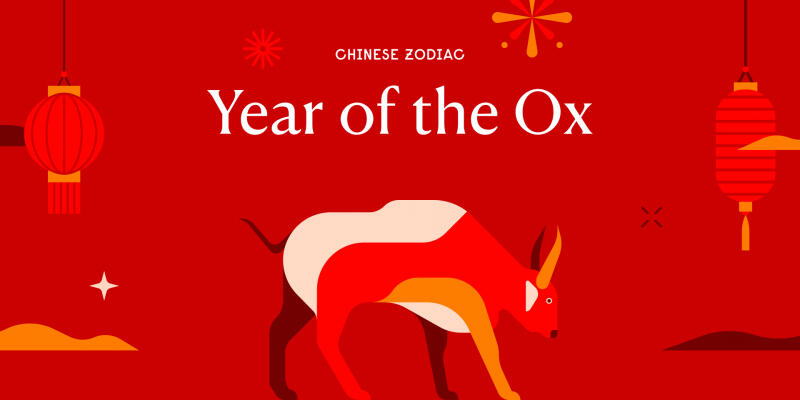
images. these images showcase this year's chinese new year, which celebrated the year of the ox.

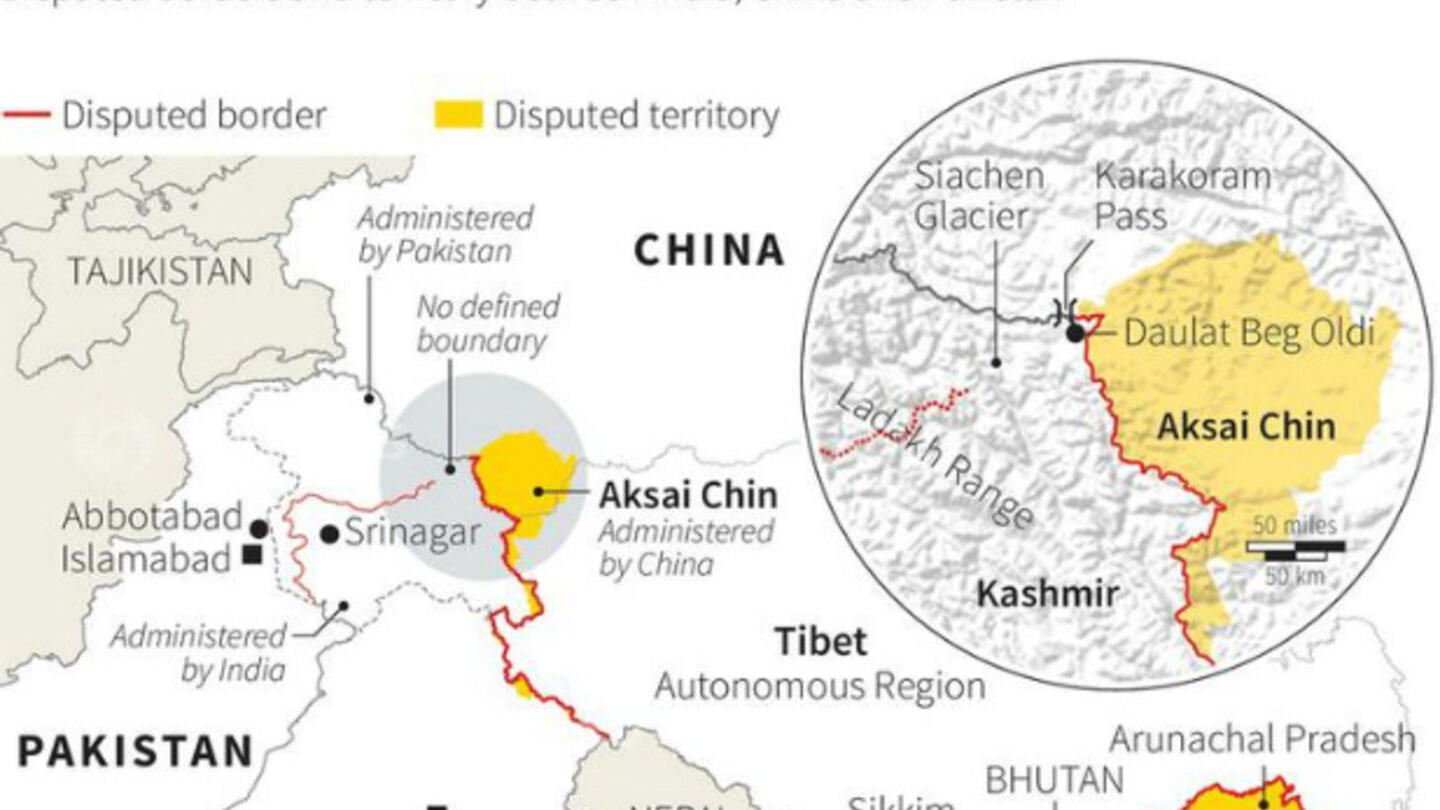
borders. china is almost completely landlocked, save for it’s southeastern borders, which are connected to the south china sea. on land, china shares its borders with fourteen states, the most important of these being the states of russia, north norea, vietnam, myanmar (burma), india, pakistan, afghanistan, and four states of central asia.
boundaries & shape. the qin mountains, a continuation of the kunlun mountains, is the divider of the north china plain from the yangtze river delta. It is the major physiographic boundary between the two great parts of china proper, and is a cultural boundary, seeing as it influences distribution within customs and language. china is a prorupted state; while the internet argues it is a compact state, it has an arm on it’s northeastern borders that extends into what would otherwise be russian territory.
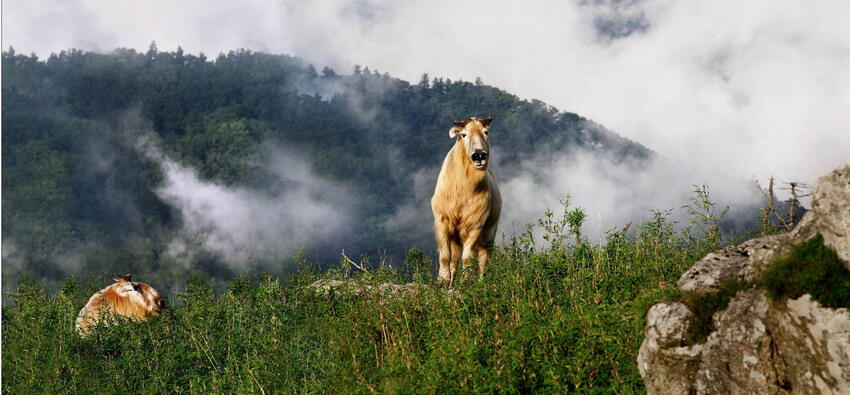
pictures. the first is a representation of the borders that surround china, and the second is one of the physiological boundaries that separate china from other states: the qin mountains.